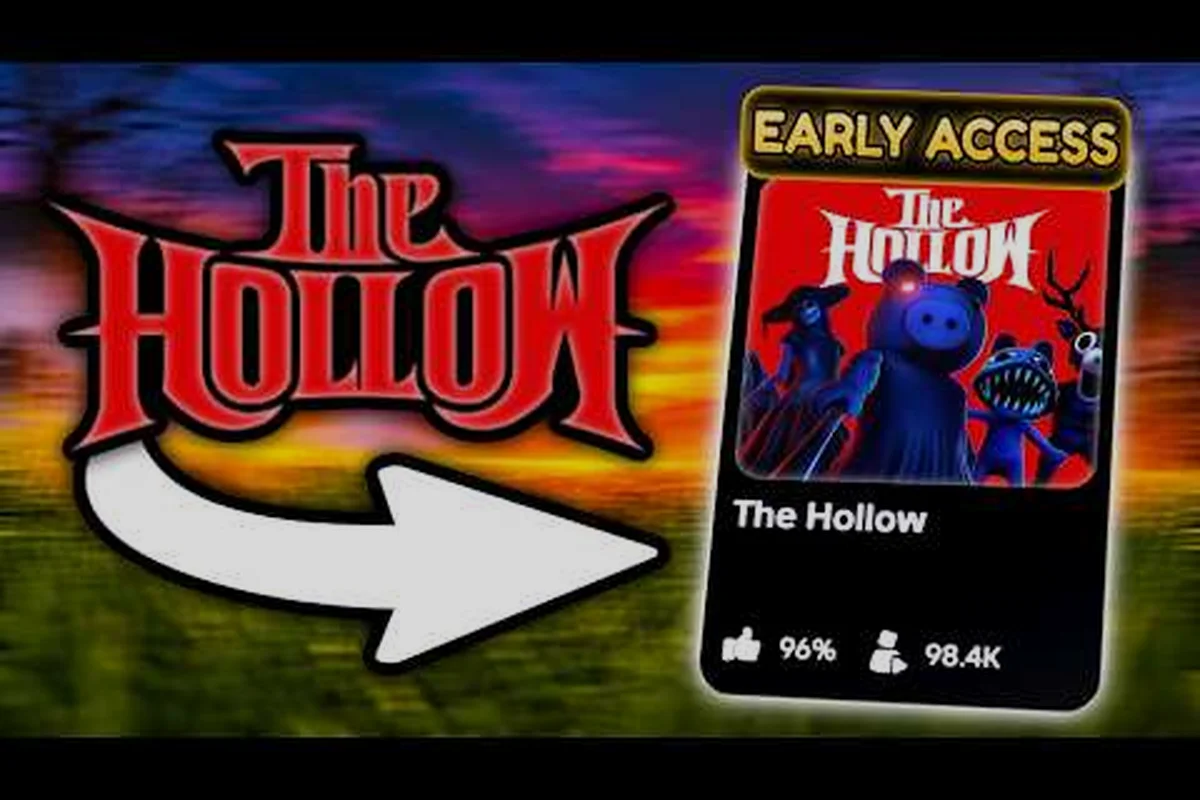
When Roblox's October platform event opens with a warning sign that explicitly invites players not to enter, the first thing any curious player asks is what the experience actually is, and the platform answers with a single haunting phrase: there is no official record of The Hollow. That deliberate absence is the entire hook of the hollow story explained, because everything that follows — the maze layout, the nine monsters, the cross-game ticket economy — is built to feel like a forbidden documentary that someone cut together from fragments.
This guide walks through the cryptic warning, the no-official-record framing, the ARG teases, and the maze-as-script reading that makes the event feel less like a survival game and more like a creepy ARG you happen to be playing in first person. The deeper reading matters because the event punishes players who treat it as pure content and rewards those who notice the connective tissue.
The Cryptic Warning and the No-Official-Record Frame
The Hollow's lore begins before the player ever spawns a character. The official event page on the Roblox game page opens with three sentences that double as the entire thesis statement: there is no official record of The Hollow, its exact location and age are unknown, and a warning invites players not to enter. The Roblox Newsroom announcement reinforces that the experience is framed in-world as a place with no paper trail — not a hidden developer document, not a marketing IP bible, but a void by design.
| Source | Quoted framing | Direct claim about The Hollow | Implication for the "no paper trail" thesis |
|---|---|---|---|
| Roblox game page (L1, verified 2026-10-23) | "There is no official record of The Hollow; its exact location and age are unknown." | In-universe void of provenance | Location + age both deliberately redacted |
| Roblox game page (L1, verified 2026-10-23) | "The warning invites players not to enter." | Direct prohibition on entry | Frames player approach as trespass, not onboarding |
| Roblox Newsroom announcement (L1, verified 2026-10-23) | "The Hollow is framed as a place with no official record." | Meta-confirmation of ARG framing | Confirms the gap is by design, not omission |
| Roblox Newsroom announcement (L1, verified 2026-10-23) | "In-world mystery" | Labels the experience as mystery genre | Signals ARG-style reading is intended |
| Roblox game page (L1, verified 2026-10-23) | "It opens October 22 at 2pm PT and starts 3pm PT." | Hard event window (10/22 → 10/31) | Only dated fact in an otherwise dateless frame |
Why "No Official Record" Is a Storytelling Choice
The hollow no official record framing is not a copy oversight. It is the deliberate cornerstone of the lore because every other layer of the event is meant to read as if it leaked in from elsewhere. The maze, the nine monsters pulled from connected Roblox horror experiences, and the in-game theater signage all read as second-hand evidence. Players are not handed a dossier; they are handed a missing persons report with the name redacted.
This approach borrows from a long tradition of horror alternate reality design, where absence is the actual story. When an event tells you it has no canon, it is telling you that the player's discoveries become the canon. The nine connected games — DOORS, Piggy, Dandy's World, and the rest — already had their own monster personalities before the event, and the maze is set up to feel like someone took notes on those personalities and dropped them into a single haunted house.
The Warning Text as First-Person Script
The hollow cryptic message shows up the moment the player loads the event: a placard, a radio loop, or an on-screen prompt that effectively says "do not enter." Functionally, the warning is also a tutorial. It tells you that the maze is not safe, that the monsters are not puzzles to solve, and that the right play is to memorize the layout and outlast the night. The warning is not there because the developers think players will obey it; it is there because the warning is a diegetic prop that justifies why every clue token you find feels like contraband.
The hollow story explained through that warning is a story about trespassing. You are not a hero invited to save the maze; you are an intruder whose presence is the only thing animating the monsters. The lore calls this an audience with the Overseer, and the entire nine-night run is structured as a test of whether the audience can stay quiet long enough to leave.
Reading The Hollow as a Creepy Alternate Reality Game
The alternate reality layer is what makes the hollow teaser lore feel sticky long after the finale. A standard event drops a trailer and a rewards list; this one instead scattered breadcrumbs across a teaser, a livestream calendar, and the participating experiences themselves, then asked the player base to connect the dots. The hollow alternate reality game framing shows up in three concrete layers.
Layer 1: The Trailer as Hidden Script
The pre-launch trailer was not just a marketing cut. Community breakdowns noted that the trailer's frames lined up with the in-game maze signage almost beat for beat, and that the radio voiceover repeated phrases the player later hears in the hub. When the event actually opened, fans who had paused the trailer and screenshotted the signage already knew what some of the maze posters would say. That is the point: the trailer was the ARG's first breadcrumb, and the maze was its second.
Layer 2: Cross-Game Forensics
The hollow connected games lore rests on a forensic premise. Each night in the maze brings a monster pulled from another Roblox experience — Day 1 Seek (DOORS), Day 2 Twisted Dandy (Dandy's World), Day 3 Biter (Demonology), Day 4 The Deer (99 Nights in the Forest), Day 5 Hiachi (The Mimic), Day 6 Mimic (Animal Hospital), Day 7 The Inspector (Scary Shawarma Kiosk), Day 8 The Overseer (Warden), and Day 9 Piggy — as cataloged by GamesRadar's Hollow event guide. The lore is that the maze is archiving these creatures the way a haunted library archives cursed books. Players who already know the source games get a quick read; players who do not get to experience a layered reveal across nine nights.
Layer 3: The Hub as a Detective Board
The event hub, which functions as a social lobby between maze runs, is decorated with clue boards, ticket ledgers, and a single recurring visual: a deer silhouette. Fans tracked the deer's appearance across the trailer, the hub signage, and the Day 4 monster reveal, and the dominant reading is that the deer is the one creature that predates the maze — a witness, not a subject. The hub rewards you for noticing these consistencies, which is why players who treat the hub as filler walk away with a survival game while players who treat the hub as a story space walk away with a haunted ARG.
The Maze as a Script: Night-by-Night Lore Logic
The hollow story explained through the maze itself reads like a nine-page script. Each night is one page, and each page has a different monster as the lead actor, but the underlying direction stays the same: find the clues, avoid the monster, bank the tickets, and leave before dawn. The reason the format works as lore is that it forces the player to slow down, and slowing down is where the creepy details live.
Night 1–3: Establishing the Audience
The first three nights function as the maze's inciting incident. The Deer, Twisted Dandy, and Biter are not the most dangerous monsters in the rotation, but they are the most expressive, and each one teaches a different core survival lesson. The Deer's pattern teaches line-of-sight, Twisted Dandy's audio cues teach crouch timing, and Biter's patrol teaches the value of wide corners. As a trio, they tell the player the maze is procedural but never random, which is the first half of the hollow story explained in mechanical form.
Night 4–6: The Mid-Game Reveal
The mid-game rotation is where the lore starts layering. The Mimic, Hiachi, and The Inspector are pulled from experiences that already had their own in-universe explanations, and the maze's version of each monster retains those tells. Hiachi's lantern flicker, the Mimic's sprint-and-stalk pattern, and The Inspector's corridor-blocking patrol all carry story baggage from their source games. Players who recognize the references experience the maze as a haunted reunion; players who do not still get a clear escalation in monster aggression.
Night 7–9: The Finale and the Overseer
The final three nights are the payoff. The Overseer (Night 8) and the Piggy finale (Night 9) are designed to be the maze's emotional climax, and the lore that frames them is that the maze itself is the Overseer's stage. The hollow creepy lore lives hardest here, because the maze's lighting shifts, the hub signage changes, and the ticket economy tilts toward cosmetic rewards that visually lock in the "you survived" narrative. By the time the Oct 31 finale closes the loop, the player has effectively read a nine-page script and earned a backstage pass. The full first-night arc is broken down in the first-night Hollow walkthrough, which covers the spawn order, clue routes, and survival priorities that set the tone for the rest of the run.
Fan Theories and the Things the Event Will Not Confirm
The hollow story explained without fan theories is incomplete, because the event is built to leave room for them. The Roblox Newsroom describes the event as a platform-wide survival experience and stops there, which means the connective lore between the maze, the hub, and the nine connected experiences is left to the player base to read. Three theories have stuck.
Theory 1: The Overseer Is the Maze
The most popular read is that the Overseer is not a single character inside the maze but the maze itself — a sentient set piece that pulls monsters from connected experiences the way a stage director casts actors. The supporting evidence is the hub signage and the fact that the Overseer fight (Night 8) is the only encounter that visibly rearranges the theater layout. Whether or not this is confirmed is less important than the fact that the event never denies it.
Theory 2: The Clue Tokens Are Confessions
A second reading treats the clue tokens as in-character props. Each token is a sticky note left by a previous visitor, and the cumulative story the notes tell is a confession log of players who entered the maze before the event existed in the player's playthrough. This is the read that turns the token hunt into narrative currency, and it explains why some tokens only appear after a specific night has been cleared.
Theory 3: The Oct 31 Finale Is a Live Reading
The third theory is that the Oct 31 finale is staged as a live reading of the warning, with the Overseer as the narrator and the connected-game monsters as the cast. The supporting evidence is structural: the finale is timed to a single broadcast window, and the reward track closes on Nov 2 — both of which read as theatrical cues rather than game-mechanic deadlines. Fans who treat the finale as theater rather than a boss fight walk away with the most coherent narrative.
How The Hollow Connects to the Wider Roblox Horror Universe
The lore only fully lands when the maze is read as a node in a larger network. The Hollow did not invent the nine monsters it features; it curates them, and the curation is the story. Each connected experience donated a creature, a name, and a tell, and the maze is the catalog.
The DOORS Connection
The Day 1 Seek chase is a direct nod to DOORS, and the lore implication is that Seek escaped the lobby system and was archived in the maze. Players who already play DOORS walk into Night 1 with a head start, and that asymmetry is part of the in-world narrative: the maze is a rogues' gallery, and previous visitors have already mapped it.
The Piggy Finale
Piggy's role as the Night 9 closer is a statement of seniority. The lore that the player base has settled on is that Piggy is the maze's most consistent inhabitant, and that the Overseer's job has always been to keep Piggy from breaking out of the theater. The finale is structured as a containment check, which is why the Piggy encounter is harder than the other eight nights but shorter — the maze wants you to outlast the breakout, not outplay it.
Why the Connected-Game Roster Matters
The hollow connected games lore is a defense against the event feeling like a generic horror map. Every monster is a callback, every tell is a reference, and every night is a small piece of fan service that respects the source games' existing personalities. That is also why the event feels sticky: it rewards both new players (who get a curated horror tour) and veterans (who get a haunted reunion with the creatures they already know). For a deeper read on the in-universe framing of those connections, the Hollow horror lore breakdown goes through the warning, the Overseer, and the cross-game roster in more detail.
Practical Takeaways for Players Reading the Story
Reading the hollow story explained as a player, not as a critic, comes down to three habits. First, slow down in the hub. The clue boards, the ticket ledger, and the recurring deer silhouette are not decoration; they are the in-world evidence the ARG expects you to collect. Second, treat each night as a chapter. The first three teach the maze's rules, the mid-game introduces the cast, and the finale pays the thesis. Players who skip straight to the rewards miss the structure that makes the rewards feel earned.
Third, cross-reference the connected games. The lore is louder when you remember that the Day 4 Deer used to live in 99 Nights in the Forest and that the Day 8 Overseer is a Warden cousin. The story is not hidden; it is shared across experiences, and the player who has spent time in the source games is the player who hears the most layers. Players who want a full step-by-step on how the night-by-night reading works can find a deeper plot-twist read in the Hollow lore guide, which walks through the finale and the cases where not every player sees the same ending.
| Night | Monster | Source Game | Lore Role |
|---|---|---|---|
| 1 | Seek | DOORS | Establishes the maze as a rogues' gallery |
| 2 | Twisted Dandy | Dandy's World | Tests audio-based evasion |
| 3 | Biter | Demonology | Introduces patrol-based threat |
| 4 | The Deer | 99 Nights in the Forest | The maze's longest-running witness |
| 5 | Hiachi | The Mimic | Lantern tells hint at a curator, not a jailer |
| 6 | Mimic | Animal Hospital | First real escalation of aggression |
| 7 | The Inspector | Scary Shawarma Kiosk | Closes the mid-game with corridor denial |
| 8 | The Overseer | Warden | The maze reveals itself as the threat |
| 9 | Piggy | Piggy | Finale framed as a containment check |
| Lore Layer | What Players See | What It Means In-World |
|---|---|---|
| Warning placard | "Do not enter" prompt on load | The maze is a trespass zone, not an invite |
| No official record | No canon document from Roblox | Player discoveries are the only canon |
| Hub clue boards | Sticky notes and ticket ledgers | Previous visitors left evidence behind |
| Cross-game monsters | Nine familiar creatures on rotation | The maze is a haunted archive |
| Oct 31 finale | Single broadcast window | The maze is staging a live reading |
| Nov 2 reward cutoff | Cosmetics close out | The curtain falls; the props stay with the audience |
Frequently Asked Questions
Is there an official story for The Hollow?
There is no single canon document. The official event page and the Roblox Newsroom confirm the in-world framing — no official record, location unknown, age unknown — and the rest of the story is left for players to read from the maze, the hub, and the connected games. Treat the event as a curated ARG rather than a fully scripted campaign.
What does the cryptic warning actually mean?
It is a diegetic prop. The warning tells the player they are trespassing, and it justifies why every clue token, ticket, and cosmetic reward feels like contraband you had to earn under threat of being caught by the maze itself. It is also the tutorial: do not stay long, do not get greedy, and do not assume the theater is safe.
How does the alternate reality game layer actually work?
It works in three layers: the trailer doubles as a hidden script for the in-game signage, the cross-game monster roster functions as a forensic clue trail, and the hub clue boards read as a detective board the player has to assemble. None of this is hidden behind a paywall or a side quest; it is the surface-level design, and players who notice it get the full ARG experience.
Why do some players see a different ending than others?
The Oct 31 finale is staged as a live reading, and the event was designed so that the cosmetic reward track, the final ticket tally, and the in-game signage change based on whether the player cleared the maze, the connected-game quests, or both. The lore reading is that the maze is reading the player as much as the player is reading the maze, and the ending reflects how much of the script the player actually stayed for. The full breakdown of who gets out and when is covered in the Hollow maze-meaning guide.
Is the Overseer the final boss or the maze itself?
Both readings are supported. Mechanically, Night 8 is a survival encounter, not a duel, which leans toward the maze-as-boss read. Narratively, the Overseer's signature is that the theater layout rearranges during the fight, which leans toward the Overseer-as-stage-manager read. The lore never resolves the ambiguity, and that is intentional — it keeps the ARG open after the finale.